


Who Will Pay the Cost of Sustainability in Health Tourism?

In recent years, Türkiye has built a remarkable success story in health tourism. With its strong healthcare infrastructure, skilled physicians, modern hospitals and internationally recognized standards of care, it has taken its place among the countries providing healthcare to millions of international patients.
Yet today, it is time to ask ourselves a new question:
Can we sustain this success?
The central issue in health tourism is not simply growth. It is making that growth sustainable.
When we speak of sustainability, we often think only of its economic dimension. Health tourism, however, is a much broader ecosystem. Financing models, human resources, quality standards, digital infrastructure, international trust, patient satisfaction and national reputation are complementary elements. A weakness in any one of these links can affect the entire system.
Today, private healthcare providers are trying to maintain their operations amid rising costs, increasing personnel expenses and intense international competition. At the same time, the public healthcare system faces a substantial burden from growing demand. In this context, health tourism should be viewed as a strategic field that contributes to the sustainability of the healthcare system, as well as an activity that generates foreign currency.
There is an important point to consider here. Competition based on price may increase patient numbers in the short term, but it can undermine quality, brand value and trust over time. Health tourism should grow through quality, trust and the creation of sustainable value, rather than a race to offer discounts. In my view, this is one of the main reasons behind the sector’s recent transformation.
Human resources are another essential consideration. Healthcare professionals’ knowledge, experience and motivation are this sector’s greatest strength. From physicians and nurses to coordinators and interpreters, the entire team plays a central role in shaping the international patient’s experience. Sustainable success is impossible without investment in people.
Digitalization has also become an integral part of health tourism. Patients are not merely purchasing treatment. They expect rapid access to information, reliable communication, transparent management of the process and digital follow-up that continues after treatment. Countries and institutions that can meet these expectations will be the winners of the future.
For me, one of the most important questions in health tourism is this:
Who picks up the bill?
Although this may initially sound like an economic question, it is fundamentally a strategic one.
Who bears the cost of acquiring patients? Who finances investment in digital marketing? Who organizes international promotional activities? Where do insurance systems fit into this structure? Which areas receive government incentives?
Without sound answers to these questions, establishing a sustainable structure for health tourism will not be easy.
The countries that succeed in the years ahead will be those that strengthen their financing models, invest in people, uphold quality standards and build international trust, alongside welcoming more patients.
Türkiye has more than enough potential to achieve this.
To do so, however, we must approach health tourism as a strategic field of development encompassing health policy, the economy, education, technology and international cooperation, rather than simply as a marketing activity.
No success can endure unless it is sustainable.
Health tourism is no exception.
The future of health tourism will be shaped by countries that can build trust, as well as by technology and investment. In the next article, we will examine why trust has become the most valuable capital of this new era in health tourism.
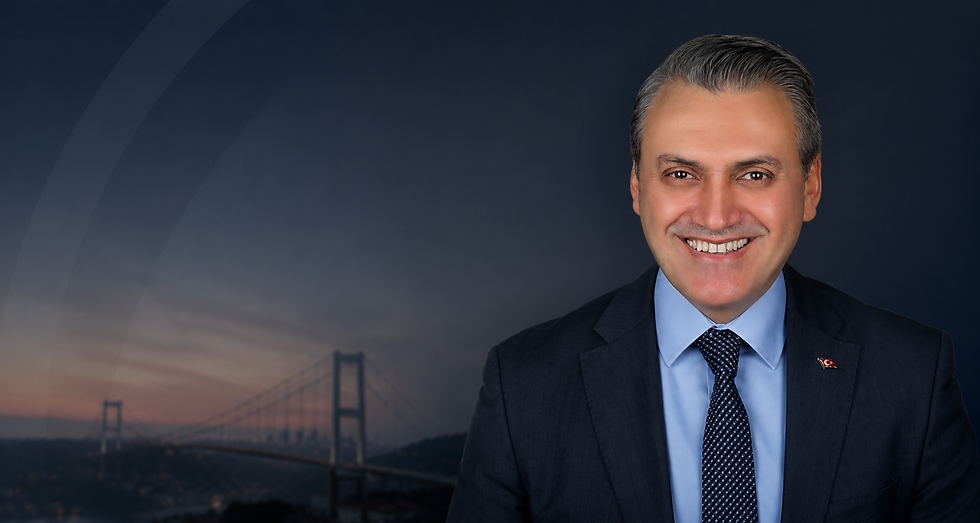
Behlül Ünver President of the World Health Tourism Platform
Comments